Key Checks Before Driving to Hatta Mountain Dubai
Plan Ahead for a Smooth Trip
A drive to the Hatta region offers a change of scenery that is hard to match. The road climbs through rocky terrain, and the air cools as you leave the city behind. But a trip like this needs a little forethought. The difference between a relaxed outing and a stressful one often comes down to what you check before you set off. Here are the main points to go through before you head out.
Check Your Vehicle Thoroughly
The road to Hatta includes long stretches of highway and winding mountain passes. Your car needs to be in good shape for both. Start with the tyres. Look at the tread depth and the sidewalls for any cracks or bulges. Properly inflated tyres grip better on curves and handle the heat better on the asphalt. Under-inflated tyres wear faster and can overheat on a long drive. Check the spare tyre too, and make sure the jack and wrench are in the car.
Next, the coolant level and the engine oil. Climbing a mountain road puts extra load on the engine. Low coolant can cause overheating, and old oil struggles to lubricate properly at higher temperatures. If you are unsure about the condition of either, a quick visit to a garage for a top-up and a look at the belts costs little and saves trouble later. Also test the air conditioning. A long drive without working AC is uncomfortable, especially in summer, and fixing it on the road is not easy.
Brakes deserve special attention. Listen for any squealing or grinding when you press the pedal. If the brake pedal feels spongy or sinks too far, get the system checked before you go. The same goes for the battery. A weak battery can fail after a few hours of driving, especially if you stop and restart the car several times. Most garages can test the battery in a few minutes.
Know the Route and Road Conditions
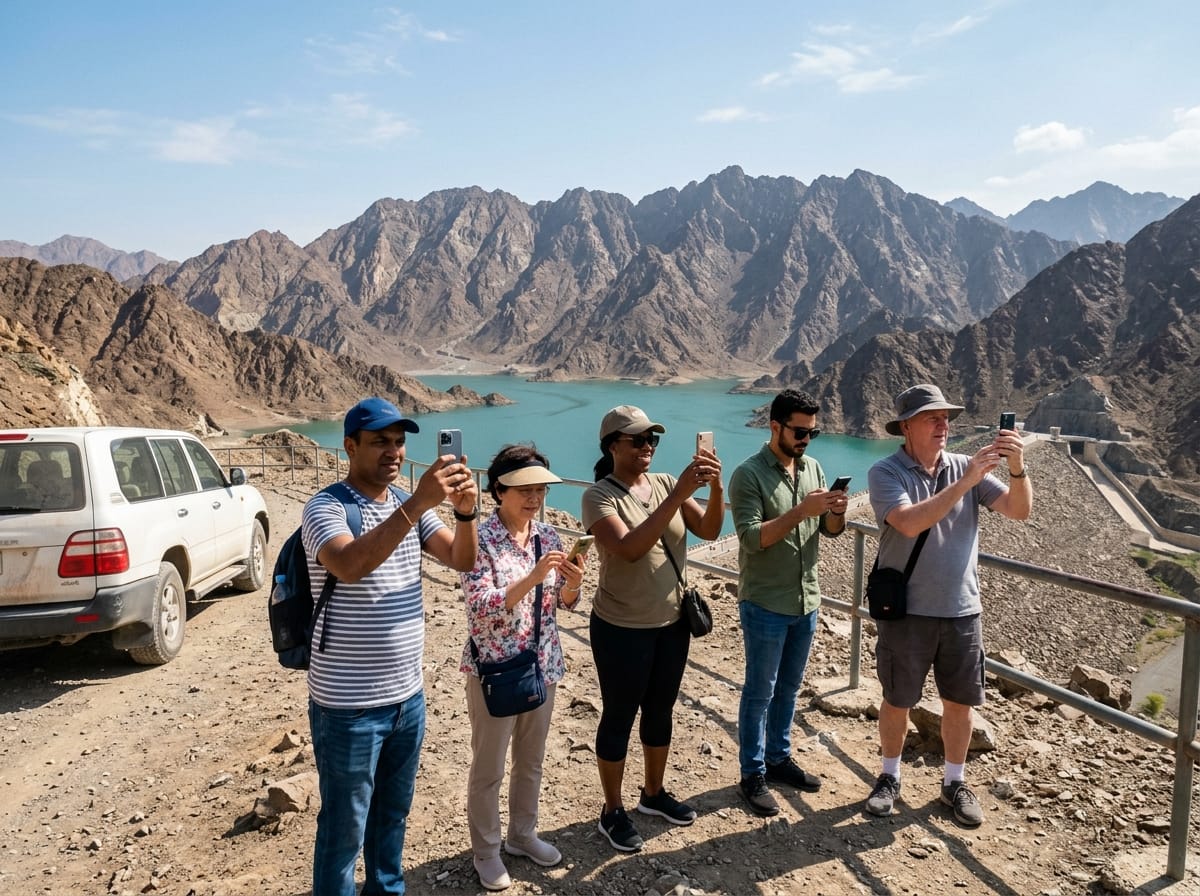
Navigation is straightforward but worth a look before you leave. The main road from Dubai to Hatta is the E44, a well-maintained highway that runs through the Hajar Mountains. Check the traffic apps for any planned roadworks or closures on the day of your trip. The road is open all year, but heavy rain can cause flash flooding in wadis, and the authorities sometimes close the road temporarily for safety. Checking the weather forecast for the Hatta area and for the route itself helps you pack the right clothes and plan your timing.
Mobile reception can be patchy in the mountain sections. Download offline maps on your phone or carry a physical map if you prefer. Also save the contact number for the local police and the road assistance service. Having these details on paper means you do not need to rely on a phone signal in an emergency.
Pack for the Climate and Terrain
Hatta sits at a higher altitude than Dubai, so temperatures can be several degrees cooler. Even in summer, the evenings can feel pleasant, but in winter the temperature can drop noticeably after sunset. Bring a light jacket or a fleece, even if you expect a warm day. Sun protection is essential at any time of year. The sun is strong, and the light reflects off the rocky landscape. Sunglasses, a hat, and sunscreen with a high SPF are a good idea.
Comfortable walking shoes matter if you plan to explore the Hatta Dam area or the Hatta Heritage Village. The ground is uneven in places, and sturdy footwear helps you move around safely. Carry water, at least a few bottles per person. There are shops and cafes in Hatta town, but having your own supply means you can stop anywhere and stay hydrated. Snacks are also useful, especially if you are travelling with children or plan to be out for several hours.
Confirm Opening Hours and Entry Rules
Some attractions in the Hatta region have specific opening hours and may require advance booking. The Hatta Dam, for example, is a popular spot for kayaking and paddleboarding, and the rental operators there have their own timings. The Hatta Heritage Village is open during the day and closes in the late afternoon. If you plan to visit the Hatta Hill Park or the Hatta Wadi Hub, check their schedules online before you go. Public holidays and Fridays can mean different hours, and some venues may be closed on certain days.
Entry to the town itself is free, but some parking areas near the dam or the heritage village have limited spaces. Arriving early gives you a better chance of finding a spot close to where you want to be. The Hatta Mountain Tour Dubai official site provides updated information on timings and availability for the main points of interest. Checking it before you leave saves you from arriving at a closed gate.
Prepare for the Return Drive
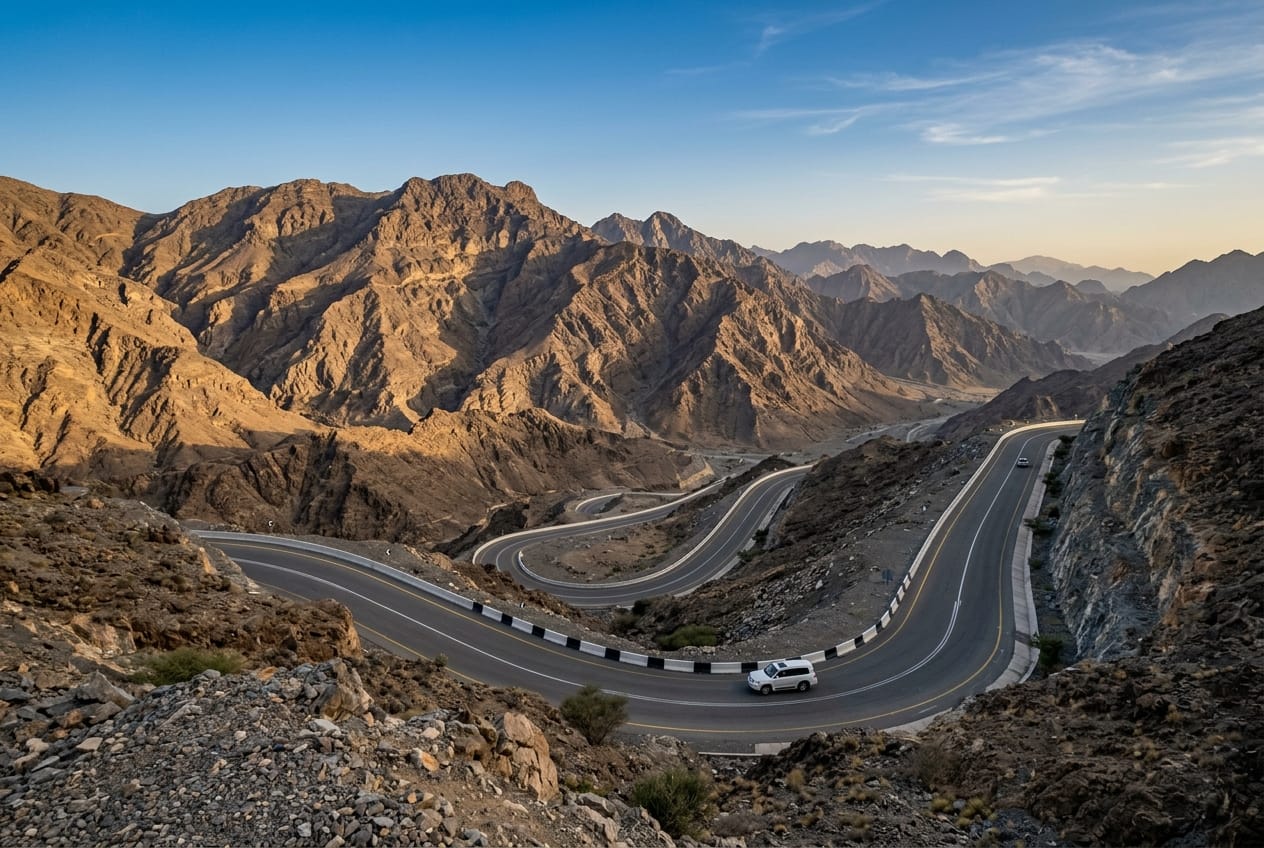
The trip back to Dubai is as demanding as the drive out, especially if you are tired. Plan to leave Hatta with enough daylight left for the return journey. The road is well lit in places, but mountain driving at night adds extra strain on your eyes and your concentration. If you do drive after dark, make sure your headlights are clean and working properly. The headlights on some cars need to be adjusted for a loaded vehicle, so a quick check before you leave home helps.
Fill the fuel tank before you leave Hatta. The town has a petrol station, but the next one on the highway is some distance away. Running low on fuel on a mountain road is an inconvenience you can easily avoid. Also check the tyre pressure again after the drive, especially if the tyres felt warm. A small drop in pressure is normal, but a significant loss could indicate a slow puncture.
What to Do in Case of an Emergency
Even with good preparation, things can go wrong. A breakdown on the mountain road can be stressful, but staying calm and following a few steps helps. Pull over as far from the traffic as possible. Turn on the hazard lights. If you have a reflective vest or a warning triangle, use it. Call the road assistance number you saved earlier. If you do not have a signal, stay with the vehicle and wait for another driver to stop. Most drivers on this route are locals or regular travellers who will help or call for help.
If the weather turns bad, especially with heavy rain, avoid driving through flowing water on the road. Even a shallow-looking stream can sweep a car off the road. Find a safe place to wait until the water subsides. The authorities in the area are experienced with these conditions and usually close roads quickly when needed. Respect any road closures or diversions; they are there for your safety.
Final Practical Points
A few small items can make the trip more comfortable. A power bank for your phone ensures you can keep your devices charged for navigation and photos. A basic first-aid kit with plasters, antiseptic wipes, and pain relief tablets is always a good idea. If you wear prescription glasses, bring a spare pair or at least keep your current pair clean and accessible. The glare on the mountain roads can be intense, and a clean lens helps reduce eye strain.
Let someone know your itinerary. Share your planned route and expected return time with a friend or family member. This simple step means that if something goes wrong and you cannot call for help, someone will notice and raise the alarm. It is a small habit that adds a layer of safety to any road trip.
For the most accurate and up-to-date information on attractions, timings, and permits, the Hatta Mountain Tour Dubai official site is a reliable source. A quick look at the site before you pack your bags can answer many of the questions that come up during planning. A well-prepared trip to Hatta Mountain Dubai is a trip that leaves you with good memories rather than regrets.
Corrections
Spot something wrong? Send it to the desk and it gets fixed in the open.